Walk into a supplement aisle and you'd think building muscle required a chemistry degree. It doesn't — but a handful of the products on that shelf are backed by real evidence and genuinely make a well-built diet work harder. The lifters making the fastest progress usually have both: a boring, consistent diet, and two or three supplements that actually pull their weight.
The Only Number That Matters First
Before macros, before meal timing, before any of it: protein. A working target of roughly 1.6–2.2g of protein per kilogram of bodyweight covers nearly everyone training seriously, from someone maintaining muscle to someone building it in a surplus. Hit that number consistently and most other nutrition mistakes become minor. Miss it consistently and no amount of perfect timing will make up the difference.
Spread it across three to four meals rather than trying to front-load it into one. Muscle protein synthesis responds better to steady input than to a single enormous serving.
Bulking And Cutting Are Just Math
A surplus of 200–300 calories above maintenance is enough to build muscle without piling on unnecessary fat — the "see food, eat food" approach to bulking mostly just adds a longer cut later. A deficit of similar size, 300–500 calories under maintenance, drops weight at a rate that preserves strength and doesn't turn every training session into a fight against low energy.
Bigger surpluses and steeper deficits aren't more effective, they're just faster ways to get to a worse outcome — more fat gained per pound of muscle, or more strength lost per pound of fat dropped. Patience is the actual performance-enhancing strategy here.
What's Actually Worth Stocking
A handful of supplements have enough research behind them to be worth the money — the rest is mostly label design:
Creatine monohydrate — 5g daily, no loading phase required, one of the most studied supplements in sports nutrition and one of the few with a genuine strength and power carryover.
Protein powder — the simplest way to close the gap to your daily target from the section above when whole food isn't practical. Not magic, just convenient.
Caffeine — a reliable pre-training performance boost, most effective around 3–6mg per kilogram of bodyweight taken 45–60 minutes before training.
Electrolytes — worth it for anyone training long or sweating heavily, especially alongside the conditioning work covered elsewhere on this blog.
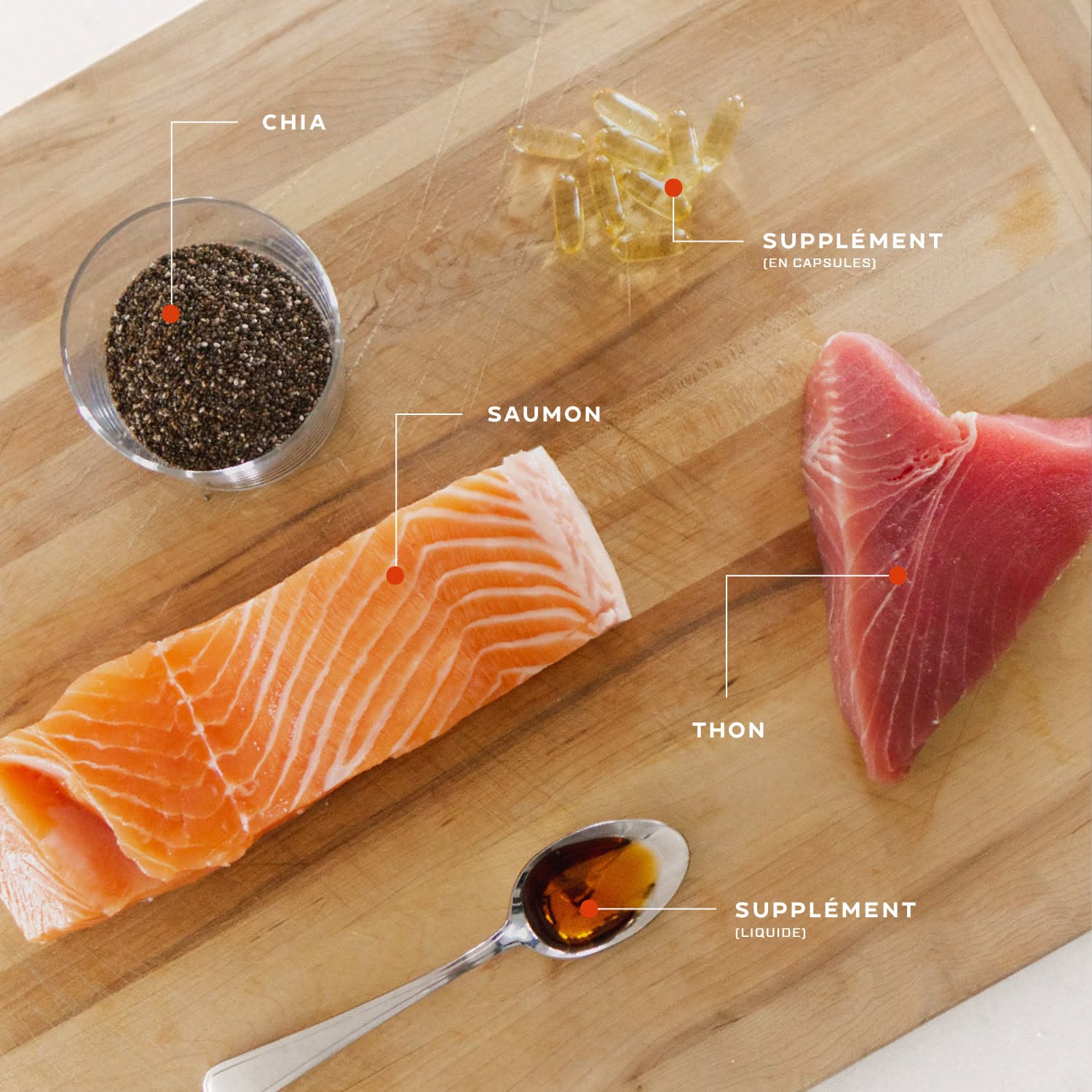
Omega-3 / fish oil — less about performance, more about supporting recovery and general health over a long training life.
None of these replace a diet that's already dialed in. What they do is stack a real, measurable edge on top of one — which is a very different pitch from most of what's on that shelf.
The diet that works is the one you can still be doing in a year. The supplements worth buying are the ones that make that easier, not the ones that promise to replace it.
Get protein and total calories right first. Then build your shelf around the short list above — it's not long, and that's the point.